
City Power Outlines Major Inner City Infrastructure Investment as Residents Urged to Act Against Electricity Theft and Vandalism
The City of Johannesburg and City Power have outlined a significant programme of infrastructure investment and network interventions for the Inner City, while acknowledging residents’ concerns about frequent electricity outages, ageing infrastructure, illegal connections, as well as high levels of cable theft and vandalism.
The commitments were outlined during the fourth regional Electricity Imbizo, where residents had an opportunity to engage directly with the Executive Mayor of Johannesburg, Cllr Dada Morero, MMC for Environment and Infrastructure Services, Cllr Jack Sekwaila, and City Power Acting CEO Charles Tlouane.
The Electricity Imbizos form part of an ongoing programme of engagement between the City, City Power and communities across Johannesburg.
Beyond addressing immediate electricity concerns, the engagements are intended to create a platform for direct and honest discussions with customers as the City works to reset its social contract with residents and strengthen the relationship between the electricity entity and the communities it serves.
During the engagement, City Power acknowledged that network stability remains a concern in parts of the Inner City, particularly because sections of the electricity infrastructure are ageing and require ongoing refurbishment and replacement.
The situation is exacerbated by rampant cable theft and vandalism of the infrastructure, especially in obscure passages of the underground tunnels.
Acting CEO Charles Tlouane said City Power made progress in stabilising the high-voltage network in the area, including the replacement of ageing high-voltage cables.
However, challenges remain on parts of the medium- and low-voltage networks, where much of the infrastructure is also old and requires significant investment.
Tlouane said the work being undertaken through the Electricity Imbizos would not end with the engagements themselves, but would form part of an ongoing process of improving communication and strengthening the relationship with customers, and are followed up by Ward-by-Ward initiatives, aimed at zooming into the specific challenges facing different wards across our areas of supply.
“These programmes are meant to continue to ensure we are on the ground addressing challenges faces by our residents. We might be starting with these Imbizos, but it is not ending today. It will continue as we work to reset our social contract with you, our customers.
City Power is aware of the frustration experienced by residents during outages, particularly where faults on older infrastructure can take longer to locate and repair. The network was designed and built many decades ago, making fault-finding and repairs more difficult in some areas. City Power is therefore continuing with programmes to replace ageing infrastructure when budgets allow, renew transformers and restore equipment that has been taken out of service,” said Tlouane.
The Inner City investment programme includes several major projects aimed at improving the reliability and resilience of the electricity network.
These include the R12.5 million Pritchard Substation deloading project, which will move electricity load to Central and Siemert Road substations to prevent further equipment damage and reduce the risk of prolonged outages.
A further R30 million is allocated for the refurbishment of Central Substation, where ageing and damaged equipment, including infrastructure affected by theft and vandalism, and recent fires, will be replaced.
The project will also include the construction of new switchgear bays at ground level.
Bree Substation will also undergo a R30 million refurbishment to replace deteriorated switchgear and associated equipment following theft, vandalism and transformer failures.
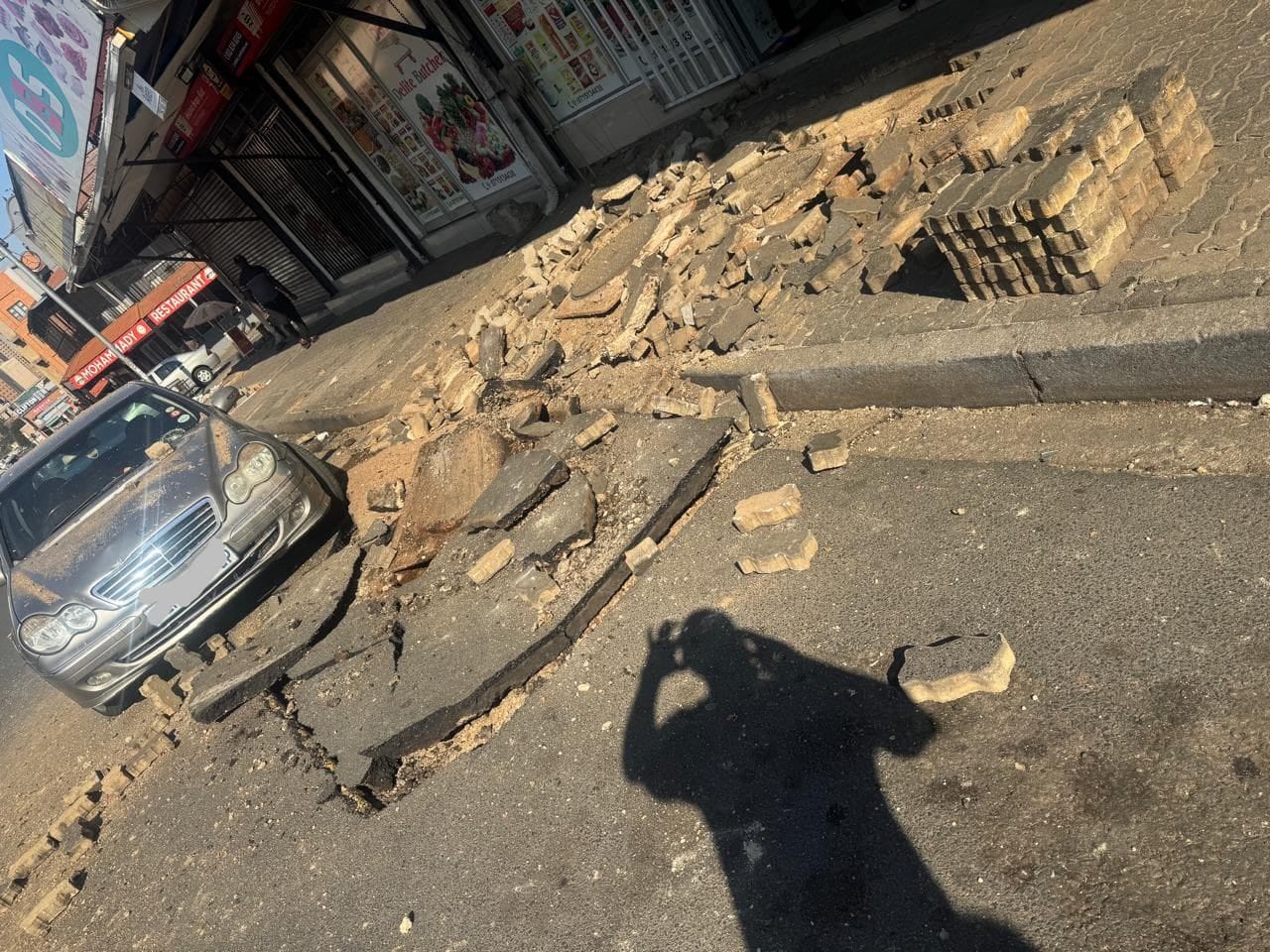
The programme further includes the R20 million replacement of the Bree–Fordsburg high-voltage cable circuit, which has been out of service since the Bree Street explosion, as well as a R60.73 million power transformer renewal programme at Fordsburg, Central, Bree and Observatory substations.
Investment is also planned at Ridge Substation, which supplies Charlotte Maxeke, Parklane and Nelson Mandela Children’s hospitals, as well as academic and commercial institutions in Parktown.
The City has also allocated funding to restore cable circuits and network equipment currently out of service because of theft and vandalism, with the aim of reducing outages and improving restoration times.
A further R40 million tunnel rehabilitation project is expected to address the deteriorating condition of underground electricity tunnels through the installation of ventilation and drainage systems, structural repairs, improved lighting and upgraded security and access-control measures.
Mayor Morero said the City was confronting the reality that Johannesburg’s infrastructure is ageing and that maintaining existing infrastructure alone would not be enough to meet the growing demand for services.
“We are alive to the fact that the infrastructure in Johannesburg is old and requires refurbishment or replacement.
We need to ensure that from time to time we raise sufficient capital not only to maintain what we already have, but also to expand infrastructure capacity as the City’s population and demand for services continue to grow,” said Mayor Morero. The Executive Mayor further said Johannesburg continued to attract thousands of people every month, placing additional pressure on infrastructure like electricity and service delivery. He said the City’s investment programme was therefore aimed at addressing infrastructure weaknesses while also building capacity to respond to future demand.
The Imbizo also placed a strong focus on illegal electricity connections, meter bypassing and electricity theft, which continue to place significant financial and operational pressure on City Power. The City’s electricity losses are estimated at around 29%, with non-technical losses largely associated with illegal connections, meter tampering, electricity theft and unmetered consumption.
Mayor Morero said the impact of electricity theft extended beyond the financial losses suffered by the City, directly affecting its ability to maintain and invest in infrastructure.
The City purchases electricity from Eskom and must recover the cost through the electricity it supplies to customers. However, revenue is lost when customers bypass meters, connect illegally or consume electricity without paying.
The Mayor appealed to customers to stop bypassing meters and urged qualifying residents who are unable to afford electricity to approach the City for assistance through available support programmes just at the City’s Expanded Social Package and Phase 4 of the Debt Relief Programme. He also stressed that residents and customers have an important responsibility to contribute towards sustainable service delivery by paying for the services they receive.
Linking the payment of municipal accounts directly to the City’s ability to maintain infrastructure and services, Mayor Morero said:
“Money to maintain services such as streetlights comes from rates and taxes. Payment of rates and taxes must happen to allow the municipality to have the resources to maintain existing infrastructure and invest in new infrastructure where it is needed.”
The Executive Mayor said the City continued to balance the need to fund infrastructure and services with the financial pressures facing residents and businesses. He also encouraged customers experiencing difficulties with municipal debt to engage with the City and take advantage of available debt rehabilitation and payment arrangements where they qualify, rather than allowing their accounts to fall further into arrears.
The engagement also highlighted the challenge posed by abandoned and hijacked buildings in parts of the Inner City, where occupants may have no formal relationship with the City and illegal connections can place further strain on the electricity network.
The Executive Mayor said these challenges require coordinated interventions to identify affected properties and determine an appropriate way forward, particularly where property ownership and accountability are unclear.
Residents also used the Imbizo to raise heated questions and concerns about frequent electricity outages in the Inner City, illegal connections, cable theft and vandalism, as well as the impact that repeated damage to electricity infrastructure has on households, businesses and service delivery. City leadership and City Power management acknowledged the seriousness of these concerns and emphasised that theft, vandalism and illegal connections remain among the major factors affecting the reliability and sustainability of the electricity network.
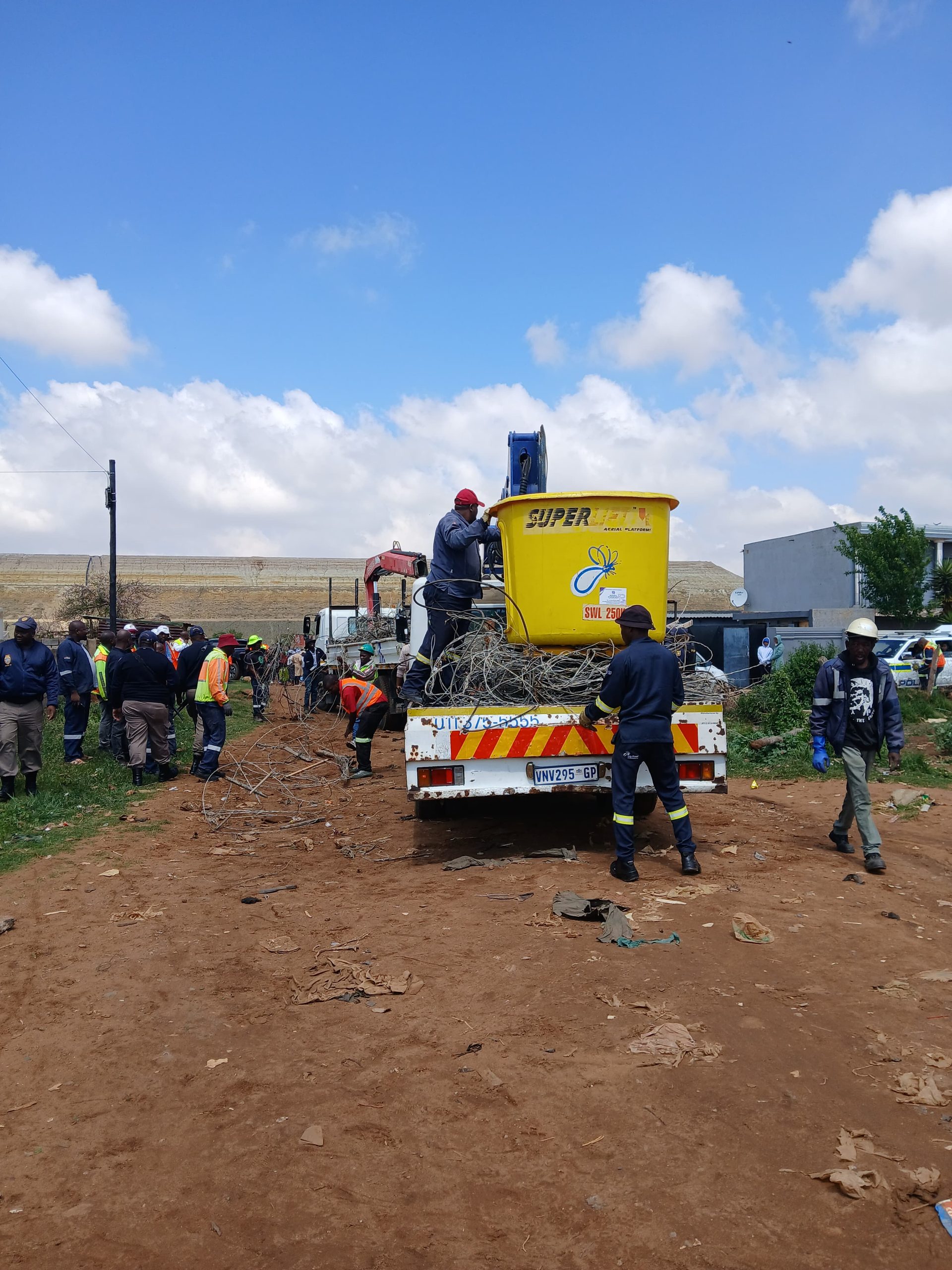
More than 20% of outages are linked to cable theft and vandalism, with City Power having spent approximately R260 million on repairs during the previous financial year. City Power Acting CEO, Charles Tlouane, said the protection of electricity infrastructure could not be left to the entity and law-enforcement agencies alone and required stronger cooperation from communities.
City Power has identified community partnerships as an important part of protecting critical infrastructure, with previous initiatives in areas such as Roodepoort, Naturena and Kibler Park demonstrating the value of closer cooperation between communities and the entity. Residents were encouraged to report theft, vandalism, illegal connections and suspicious activity affecting electricity infrastructure.
The MMC for Environment and Infrastructure Services (EISD), Cllr Jack Sekwaila, also highlighted City’s work to improve public lighting, including cooperation through the Jozi My Jozi programme, and plans to expand alternative solutions such as solar streetlighting and solar high masts in areas where they are required.
The City and City Power said the engagements would continue beyond the Imbizo programme as part of efforts to build a more direct, accountable and sustainable relationship with electricity customers