

PERIODS, POWER, AND HEIDELBERG LEARNERS TAKE STIGMA TO THE MAT

By Bua Reporter
On a day meant to normalize what
half the world experiences monthly, Kgoro Ya Thuto Secondary School became more than a classroom. It became a courtroom for dignity, where learners, officials, and activists put menstrual stigma on trial — and voted it out.
The AIDS Healthcare Foundation South Africa marked Menstrual Health Day
with a youth-centered activation designed to do what policy papers alone cannot: put pads, facts, and courage directly into learners’ hands.

Hosted under AHF’s Youth Protection Programme and Girls Act initiative, the event brought together students, educators, and partners including the , Baithudi Mampane Foundation, Lilets, Gift of the Givers, and Mina Happy Periods Foundation. “No child should miss school because of a pad”
Sindisiwe Tom, spokesperson for AHF South Africa, set the tone early.
“We are supporting a girl child all over the country,” she said.
“We’ve already visited schools around Gauteng, especially those that are underprivileged. Our message is simple: no child should miss their education or exams because of pads. We’re here to assist, and also to teach our boys that they are the men of tomorrow. They should support
girls during their periods instead of making funny jokes.”
That lesson in allyship was deliberate. Sessions tackled menstrual hygiene, debunked persistent myths, and gave practical demonstrations of
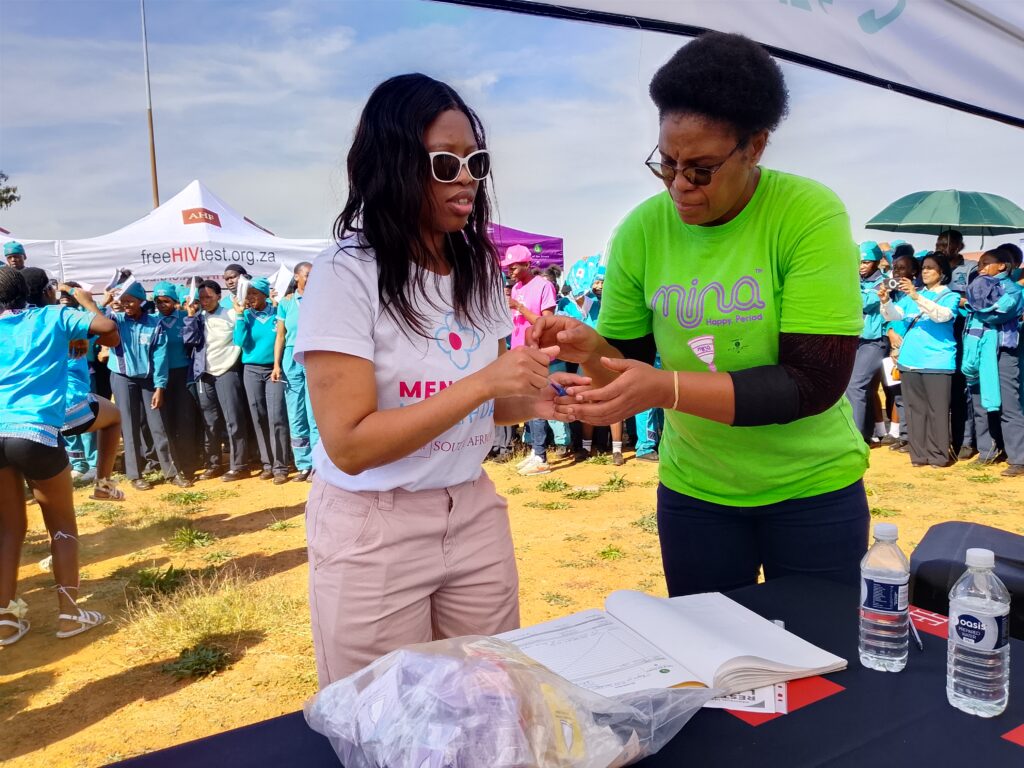
products — including reusable pads and menstrual cups. A representative from Mina Happy Periods Foundation showed learners,
especially those who cannot afford monthly disposables or who live with
disabilities, how to use and care for menstrual cups safely. For many, it was the first time seeing a sustainable option demonstrated without shame.
Action followed talk. Lilets, in collaboration with other stakeholders present, presented the School Management Team with care packages for girls in need. Gift of the Givers and Baithudi Mampane Foundation reinforced the supply chain of dignity — turning donations into daily attendance.
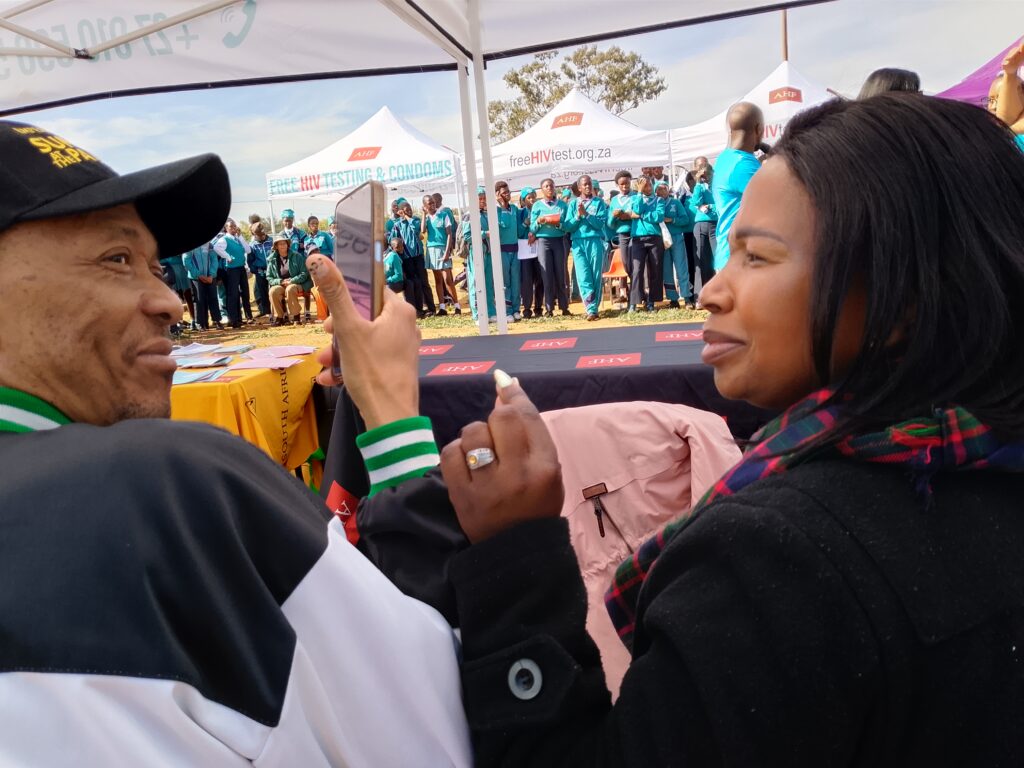
The day’s most arresting voice belonged to a learner. Grade 8 student
Katlego Moadume told the assembly what adults often avoid: “It is important not to be ashamed as a girl when you’re on your periods because it is a normal thing.” Applause followed, not because the statement was revolutionary, but because it still is in too many schools.
That honesty will travel further than Heidelberg. Learners drafted an
advocacy document capturing menstrual health challenges they face —
broken ablution facilities, lack of disposal bins, bullying, and product
insecurity.
Why this matters globally
Menstrual Health Day is observed worldwide on 28 May to spotlight a universal barrier to education and equity. In South Africa and beyond, stigma, cost, and infrastructure gaps keep girls home during their
periods. When a Grade 8 learner can stand and reframe her biology as normal, and when boys are coached to be protectors instead of hecklers,
the culture shifts one classroom at a time.
As Tom put it, the goal is not charity. It is access, education, and attitude change. Heidelberg’s learners did not just attend an event.
They built evidence, received tools, and sent a message upward dignity
is not a luxury item. It belongs on the school budget, in the curriculum, and in the way boys treat girls.
From Kgoro Ya Thuto’s halls to Parliament’s chambers, the period
conversation has moved. And it’s no longer whispering.